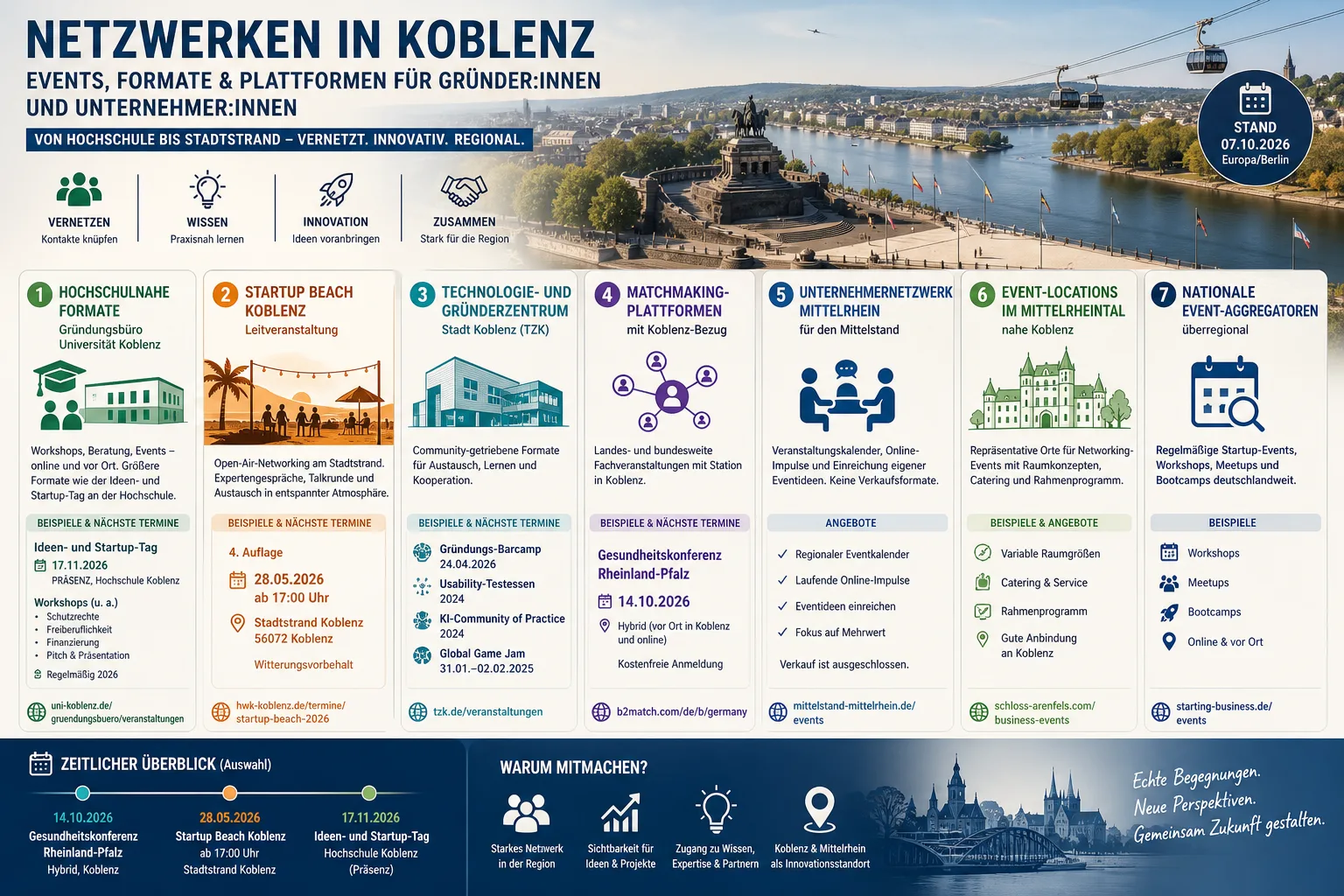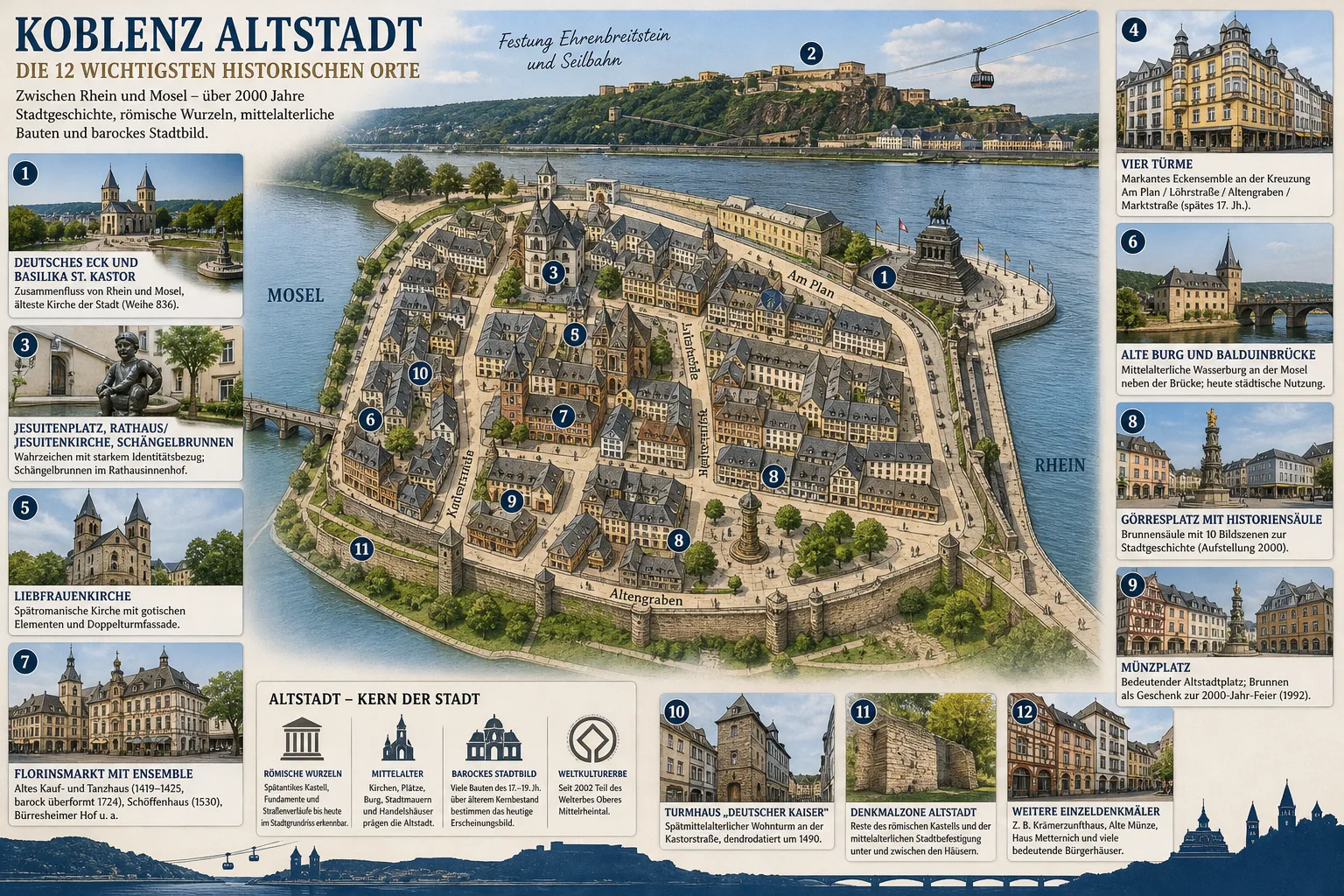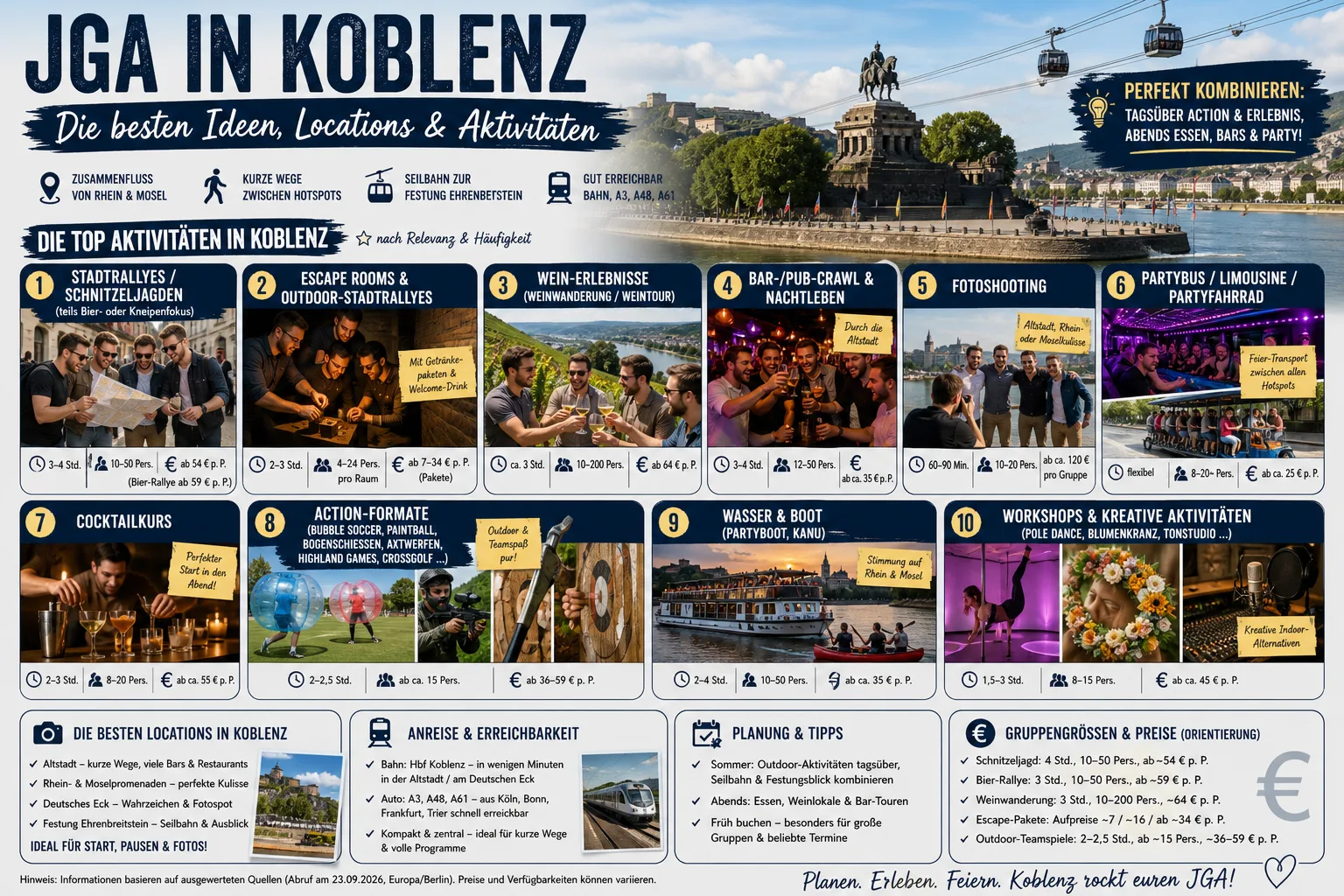
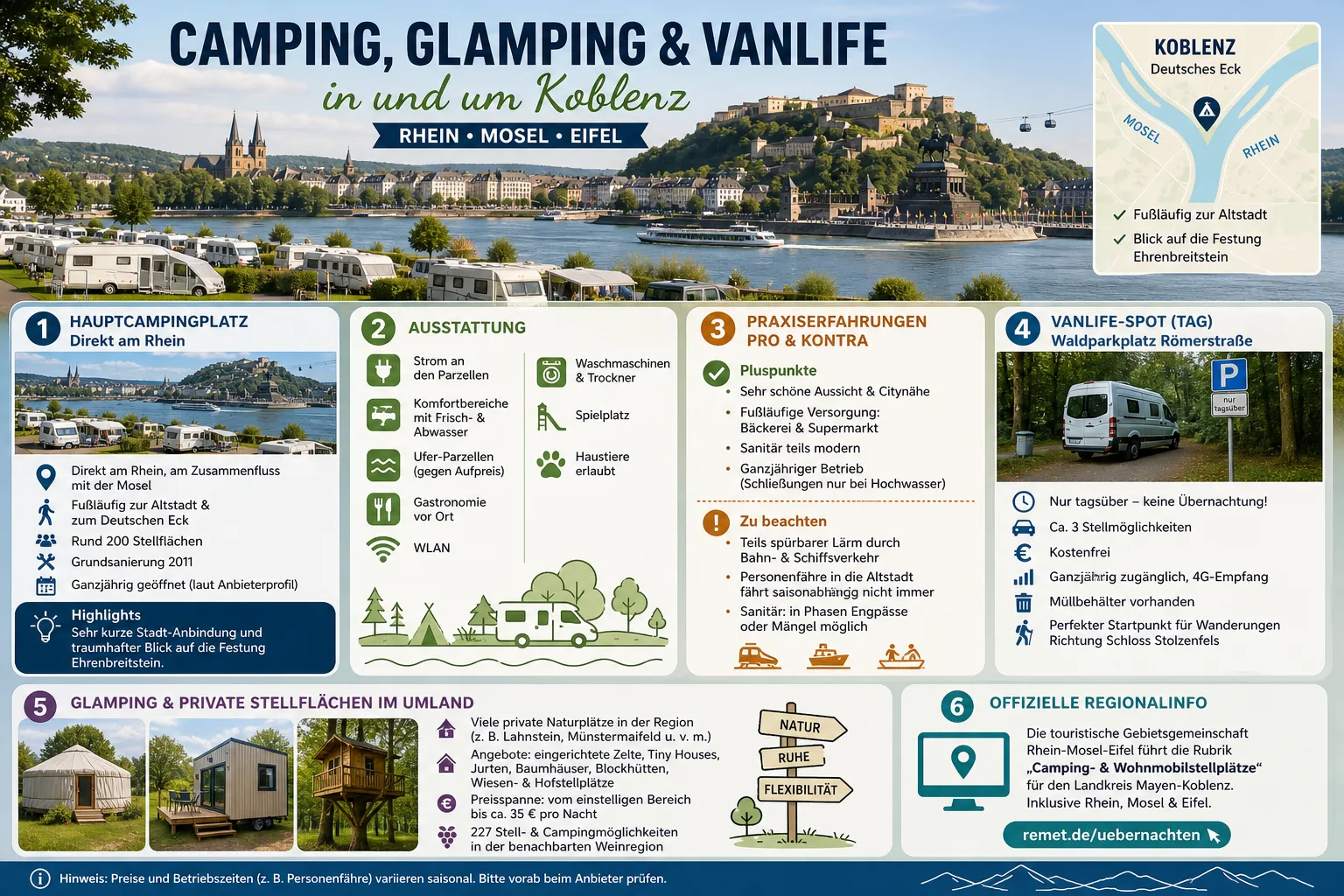
Camping, Glamping & Vanlife around Koblenz
Camping, Glamping & Vanlife around Koblenz: Ideas & Planning for Your Next Trip
Are you planning a trip to Koblenz and want to wake up by the water in the future, experience the city & culture during the day, and return to your mobile home in the evening? On the upcoming travel stages around Koblenz, you can combine camping, glamping, and vanlife so that Rhine and Moselle panoramas, short distances to the old town, and nature retreats in the surrounding area all fit together.
This guide is deliberately designed for your next steps: choosing the right overnight style, sensible seasonal checks (e.g. water level/opening hours), consideration rules, and concrete planning questions you clarify before departure.
1) City Camping on the Rhine: How Your Next Overnight Stay Becomes City-Close
If you want to be within walking distance to the city center on your next stay in Koblenz, you will most likely reach your goal fastest with a centrally located campsite on the Rhine bank: You will be by the water (or at least near the river), can head to the old town during the day, and walk back to your pitch in the evening without detours.
To make this work smoothly in the future, it's best to plan in this order:
- Check availability: For weekends, holiday periods, and long weekends, you will more likely need a reservation or arrive early.
- Select pitch type: If you specifically want a Rhine view for your next trip, this is often tied to certain pitch categories (and may differ in price).
- Set arrival time: So you can park, connect electricity, and get your bearings in peace, plan to arrive before evening.
- Plan city routes: Decide in advance whether you will walk, cycle, or use public transport to get into the city.
2) Facilities & Typical Trade-offs: What You Can Realistically Plan for the Next Night
On city-close sites, you will usually look for exactly what is practical on the road for your next tour: electricity, reliable sanitary facilities, and a location where you can eat out or shop without long drives. At the same time, with city camping, you will almost always have to live with a compromise: Noise from traffic, trains, or ships can be noticeable depending on the location.
Checklist for Your Planning (So Nothing Is Missing On Site)
- Electricity: Pack a sufficiently long CEE cable and adapters (and check in advance whether electricity is included at the pitch or charged separately).
- Water/disposal: Clarify whether fresh water and disposal facilities are available and at what times you can use them.
- Sanitary & peak times: Plan extra time for showers/toilets during holiday periods (or use options available in your van/motorhome if you are self-sufficient).
- Noise management: Bring earplugs for the next night and prepare for urban noise.
- Flood risk: Check the water level development before departure (see sources) and keep an eye on short-term site information.
- Dog & family: Check whether dogs are allowed during your travel period and whether there are areas that are more practical for children (playground/quieter zones).
Important: For your next trip, do not rely solely on general experience reports, but confirm current opening hours, rules, and seasonal offers directly with the operator of the respective site.
3) Vanlife around Koblenz: How to Plan Flexibly (and in Compliance with the Rules) in the Future
If you arrive with a van or panel van, you can easily divide the region around Koblenz into stages: short city phases, then nature sections towards the Rhine, Moselle, Eifel, or Westerwald. To keep your next trip relaxed, it's best to clearly separate:
- Day stops (break, working in the van, walk, sightseeing starting point) and
- Overnight stay (official campsites or designated motorhome pitches).
For the Next Tour: Rules to Internalize in Advance
For your future travel planning, the following applies: Overnight stays are not automatically allowed where parking is possible. Whether and how long you may stay depends on signage, municipal rules, and local interpretation. If you want to avoid conflicts, plan your nights exclusively at official offers and use day parking only as permitted by signage and local regulations.
Practically, this means for your next Koblenz route:
- You look for one or two safe overnight anchors (camping/pitch) in/near Koblenz.
- You add day destinations (hiking, viewpoints, cycling sections, city program).
- You plan buffers in case you need to change plans at short notice due to weather, water level, or capacity.
4) Glamping & Nature Accommodations: How to Bring Comfort into Nature for Your Next Getaway
If you want more comfort on your next trip (real bed, solid walls, more privacy), you will increasingly be able to rely on glamping and small, private nature accommodations in the Koblenz area. This type of accommodation is a good fit if you are in Koblenz during the day but want to consciously leave the city in the evening.
Types of Accommodation You Can Specifically Compare for Your Next Booking
- Tiny houses or small cabins (often good for weekends and workation).
- Safari or glamping tents (more "camping feeling," but with bed and amenities).
- Yurts (cozy, often with a special spatial feeling).
- Treehouses (if you are planning an experience overnight and are okay with heights).
- Farm and meadow pitches (if you still want to sleep in your own van/camper but want a quieter spot).
To avoid surprises with your next booking, check in advance:
- Sanitary standard: private bathroom vs. shared bathroom.
- Heating/insulation: especially relevant if you are traveling outside the main season.
- Access & ground: important in case of rain (meadow areas) and for larger vehicles.
- Quiet times & fire: whether fire pits are allowed and what rules apply.
- Dogs: whether dog-friendly and if there are any restrictions.
5) Seasonal & Safety Planning for Your Next Koblenz Route
To ensure your upcoming trip runs smoothly, plan not only "where" but also "when": season, weather, and water level affect the usability of some riverbank locations and the availability of certain services.
What to Check Before Departure
- Opening hours & arrival windows: Make sure you can arrive within the permitted period (reception/check-in rules).
- Water levels & flood situation: Check current water levels and warnings before staying overnight on riverbanks.
- Weather: Plan rain alternatives (solid ground, alternative site, indoor program in Koblenz).
- Mobile network & Wi-Fi: If you want to work on the go, test network coverage if possible and ask the site about realistic Wi-Fi options.
- Public transport/ferries: Expect that seasonal connections are not always available and plan alternatives.
This way, your next trip becomes less of a gamble and more a combination of good preparation and flexible freedom.
6) Consideration & Nature: How to Make Your Next Trip Compatible for the Region and Others
To ensure that camping, glamping, and vanlife work for everyone in the future, plan your next stay so that it is legally compliant and considerate. This includes simple but effective points:
- Only stay overnight where it is allowed: Use official pitches and camping offers.
- No "camping behavior" outside permitted areas: no chairs/awnings/grills at day parking lots.
- Dispose of waste & wastewater correctly: Use official disposal, even if it means a detour.
- Arrive quietly, leave quietly: especially late at night/early in the morning.
- Shop locally: Plan to shop in Koblenz or the surrounding area (bakery, weekly market, farm shop) and thus support local structures.
Conclusion: How to Shape Your Next Camping, Glamping, or Vanlife Time in Koblenz
For your next trip around Koblenz, you will benefit most if you combine a city-close base (camping/pitch) with quieter nature stages in the surrounding area. This way you get both: Rhine and Moselle scenery plus short distances to the old town—without missing out on relaxation in nature.
If you check water levels, seasonal info, and rules before departure and plan overnight stays only at official offers, your upcoming trip will be much more relaxed, fairer to residents, and better for nature.