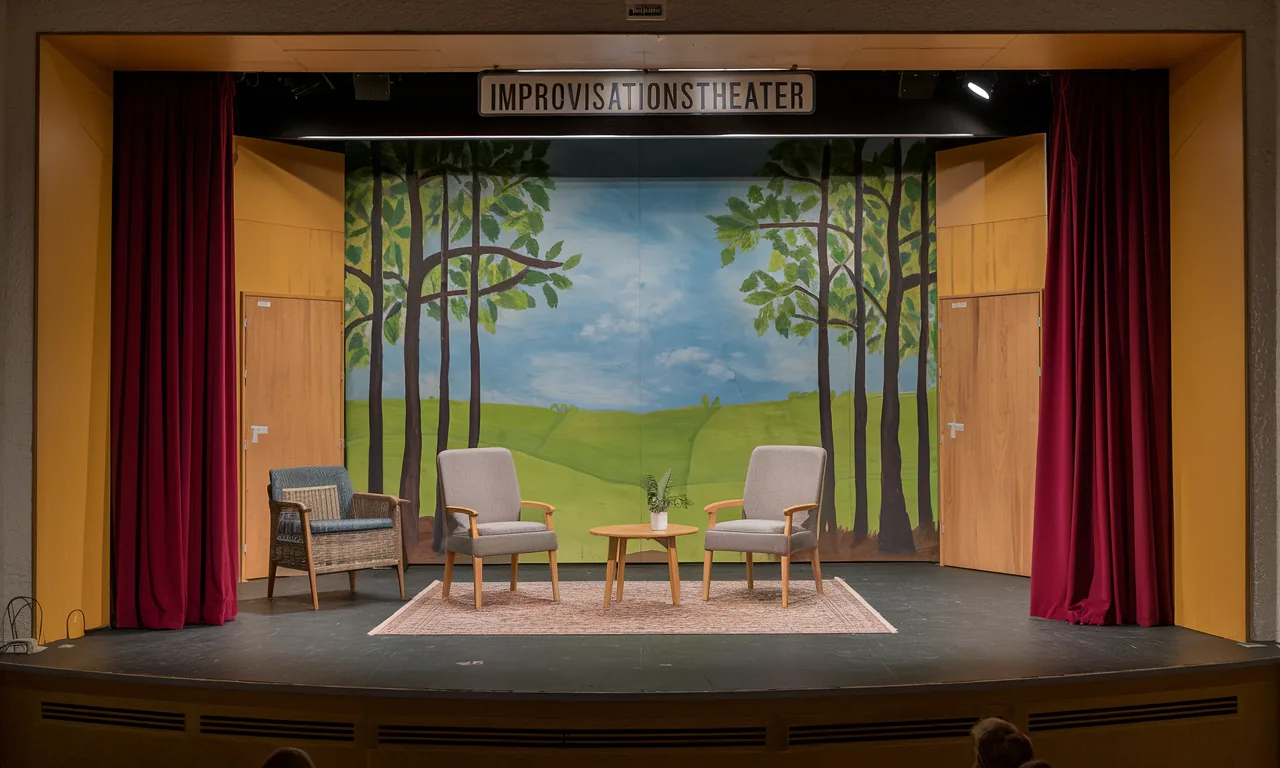
Improv Theater in Koblenz: Alternative Scene and Workshops
Improv Theater & Performance Art in Koblenz: How to Discover the Alternative Scene in the Coming Months
A practical outlook: Which formats you can expect, how you can participate, and how to recognize reputable offers.
Why Improv & Performance in Koblenz Are Especially Exciting Right Now
In the coming months, improv theater in Koblenz offers particularly good opportunities for people who not only want to consume culture but also actively shape it. Improv thrives on audience suggestions (place, relationship, feeling, object) immediately becoming scenes. This very participation makes many evenings low-threshold: You can simply come, watch, give an impulse—and still be part of the evening.
At the same time, interest in performative formats that work with space, body, object, and participation is growing in many cities. In Koblenz, too, it is expected that improv and performance art will intersect more often in upcoming programs: sometimes as a humorous show night, sometimes as an experimental setting in which a group tries something out together, without “perfection” being the goal.
Improv theater often follows a simple principle: Offers are accepted and continued. This creates pace, trust, and surprising twists—without a finished script.
What You Can Typically Expect at Future Improv Shows
Even though every evening is new, the framework of many improv events is similar. If you visit a show in Koblenz in the next weeks or months, you can often expect these elements:
- Audience impulses as a starting point: Keywords, places, relationships, sometimes short interviews with audience members.
- Game master/moderation: One person structures the process, collects suggestions, and explains the rules clearly.
- Ensemble play: Scenes arise through interaction; it is often visible how teams spontaneously build conflicts, goals, and relationships.
- Transparent rules: Good formats explain in advance how participation works (and that you don't have to participate).
- Respectful participation: Reputable groups pay attention to appreciative language, consent, and boundaries—especially in audience interactions.
For you as a visitor: You do not have to “perform.” A single keyword can be enough for an entire world to emerge. Those who prefer to remain silent are just as welcome.
Outlook on Common Formats: Crime, Telenovela, Quiz, Children's Program
Many Koblenz improv evenings are designed so that the audience immediately understands what it's about. In upcoming programs, formats that promise a clear genre—and then are allowed to go “off the rails” live—are particularly common:
1) Improv Crime
An improvised crime story uses a few specifications (crime scene, motive, relationship, “secret”) and builds suspects, red herrings, and a resolution from them. The appeal lies in the fact that logic and comedy must work simultaneously: The ensemble invents clues, remembers them, and connects them live.
2) Telenovela / Soap Format
Big emotions, quick alliances, family secrets: The soap format is ideal for turning audience suggestions (relationship status, conflict, status games) into an ongoing dramaturgy. For upcoming evenings, this format is especially suitable if groups want to work with episodes and recurring characters.
3) Quiz or Game Show Night
Quiz improv combines stage and game rules: Categories, tasks, or “points” are developed live. Good evenings balance fair competition and theatrical freedom—without putting the audience on the spot.
4) Improv for Families and Children
Upcoming family formats are characterized by: short, clear scenes, lots of imagination, quick audience impulses. Important are child-friendly moderation and a framework that gives all participants security (e.g., clear rules, no obligation to participate).
Workshops: Getting Started, Deepening, and Long-Form Storytelling
If you want to not only watch but also play yourself in the coming months, workshops are the quickest way to start. Good workshop series in improv and performance work step by step: from simple reaction exercises to longer forms in which stories develop over 30–90 minutes.
Typical Content You Can Expect in Future Courses
- Basics (“Yes, and…”): Accepting offers, adding to them, building a shared reality.
- Listening & Reacting: Timing, presence, nonverbal impulses, status and relationship play.
- Characters & Genre: Archetypes, rhythm, language, film/series logic on stage.
- Long-form & Story: Linking scenes, picking up motifs again, maintaining tension arcs.
- Performance practice: Working with space, object, repetition, participation, and clear setups.
Who Is This Suitable For?
In upcoming courses, you will likely meet people from very different backgrounds: students, professionals, cultural workers, curious people with no prior experience. Improv training can be both a leisure activity and a method to strengthen presence, spontaneity, and team communication. The decisive factor is the course culture: respectful, structured, and transparent.
Places & Paths in Koblenz: Independent Scene, University, City Theater
For the coming months in Koblenz, it is especially helpful to keep an eye on different approaches in parallel: the independent scene, university offerings, and participation formats at the city theater. These areas pursue different goals—and can still complement each other.
Independent Scene
Independent improv groups and performance initiatives often work on a project basis: rehearsal phases, show blocks, workshop weekends. This means for you: dates may appear in waves. Those who regularly check the groups' websites and social media channels usually get upcoming announcements early.
University / Continuing Education
University-related formats (e.g., open introductions or summer/project offerings) are an entry point in many cities because they are advertised in a low-threshold way and appeal to different target groups. If such offers are advertised in Koblenz, you will typically find them on official university websites or central event calendars.
City Theater / Participation Formats
City theaters often offer play clubs, workshops, or participation projects. For the coming months, this can be an additional way if you are looking for regular rehearsal structures, theater pedagogy, and clear production frameworks. Improv evenings of the independent scene and participation offers of a city theater meet different needs: spontaneous-participatory vs. continuously rehearsal-oriented.
Participate: How to Find Reputable Dates and the Right Entry Point
To ensure your entry in the coming months goes well, a short quality check is worthwhile—regardless of whether you want to attend a show or participate in a workshop.
How to Find Upcoming Shows
- Official channels: Group's website, official ticket/calendar link, clear venue and time.
- Transparency: Understandable description of the format, duration, age rating/recommendation, language(s).
- Contact option: Email or form for questions (e.g., accessibility, admission, participation rules).
How to Choose a Workshop That Suits You
- Level indication: “Beginner” vs. “Advanced” should be clearly stated.
- Leadership: Name of the workshop leader and methodological focus (improv, acting, performance, communication).
- Framework: Group size, duration, location, cost, cancellation conditions.
- Safe space: Clear rules on consent, physical proximity, protection against discrimination, and feedback culture.
If you are unsure, start with a show: You will experience the practice, the tone, and the way the audience is treated. Afterwards, you can specifically look for workshops that deepen exactly this way of working.