Interreligious Events & Festivals in Koblenz
Interreligious Events & Cultural Festivals in Koblenz (Preview of Upcoming Dates)
What does a city feel like where church bells, prayer rooms, and festival beats all fit into the same calendar? Koblenz showcases this diversity especially when, in the coming months, cultural programs, open spiritual formats, and evenings of encounter are announced side by side. This guide helps you specifically find, sensibly plan, and respectfully attend future interreligious events and cultural festivals in Koblenz.
The Most Important Starting Point: Official Event Calendars
For future interreligious events and cultural festivals in Koblenz, official calendars are usually the most reliable first source. There you will find information on dates, locations, ticket status, and possible changes. Especially for formats with religious, cultural, or dialogical character, it is worth double-checking the organizers' information.
Fortress & Festival: Culture High Above the Rhine and Moselle
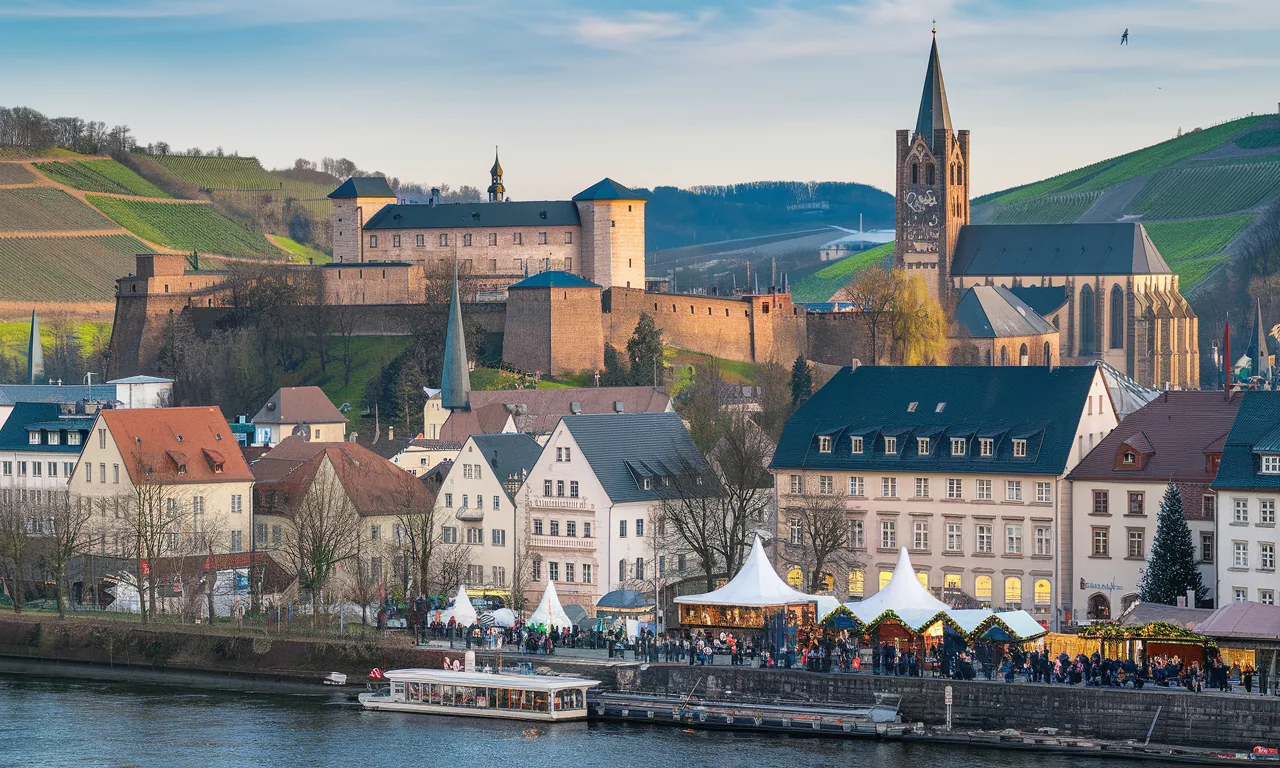
In the coming season, the fortress area above the rivers will once again become one of the city's most important cultural venues: as a destination during the day and as a stage for evening events, special tours, and (depending on the program) also festival stations. Especially in the warmer months, formats often converge here where history, music, and city views come together.
What you can typically expect in the coming months (depending on the current program):
- Themed tours and evening walks
- Concerts and open-air evenings
- Family programs and action days
- Special exhibitions and time-limited event series
For many visitors, a special "Koblenz moment" is created here: You come for culture or the view – and experience an atmosphere that for some feels almost meditative, without needing a religious framework. If open spiritual offerings (e.g., musical devotions or quiet time slots) are also announced during the same period, you can consciously combine cultural programs and reflection.
Ecumenical & Interreligious: Dialogue Formats in the City Center
For interreligious exchange in Koblenz, encounter formats are especially crucial: discussion evenings, panel discussions, themed city walks, or joint peace impulses. Such dates are often organized or accompanied by Christian, Jewish, and Muslim actors as well as civil society initiatives.
If you are looking for future dialogue events, pay particular attention to announcements about:
- Commemoration and peace dates (often with ecumenical and interreligious participation)
- Open discussion series on religion, ethics, cohesion, antisemitism and racism prevention
- Cultural formats with a dialogue component (readings, film evenings, exhibitions with audience discussions)
Important for guests: These events are often deliberately low-threshold. Those who listen respectfully and ask fair questions are generally welcome – even without their own religious affiliation.
City Church, Advent & Christmas Market: Silence Amidst the Hustle (Upcoming Season)
When the next Advent and pre-Christmas season approaches, a special tension traditionally arises in the city center: outside, a festive atmosphere with market visits, music, and lights – and at the same time, offerings for quiet moments, music-and-word impulses, or short devotions intended as an interruption of the hustle and bustle.
For the coming season, it is therefore worth planning according to the principle "two beats, one evening":
- Culture & City Life: Christmas and winter program in the city center.
- Silence & Reflection: short, open formats (e.g., Taizé-oriented prayer times, peace impulses, musical midday or evening moments), if announced in the current program.
Especially for visitors, this combination can make Koblenz particularly tangible: You experience the city not just as a backdrop, but as a place where different needs (celebration, encounter, search for meaning) have space at the same time.
Night of Open Churches & Open Houses: Church as a Cultural Space
For the coming months and the next event period, formats are repeatedly announced in Koblenz in which church venues are deliberately opened as cultural and meeting spaces: with short concerts, readings, light or art installations, discussion impulses, and quiet time slots.
If a "Night of Open Churches" or a similar format appears in the next program, it is a good entry point for many people – especially if they rarely attend religious events otherwise. The schedule is typically designed so that you can remain flexible: drop in briefly, move on, combine several places, or consciously stay longer at one place.
Those who visit several open places in one evening often experience something reminiscent of a city festival – only quieter: lots of atmosphere, short program points, and a shared sense of consideration.
Planning tip: Pay attention to start and end times, program density (e.g., an impulse every 30 minutes), as well as notes on accessibility and photo/audio recordings in the announcement.
Music City Koblenz: Concerts as a Communal Experience
In the coming months, Koblenz is expected to announce a dense music program again: from large concert series to smaller initiatives, partly open air, partly in historic and sacred spaces. For many visitors, this creates a transition between culture and personal "inwardness": music as a shared moment that does not have to be religious, but is often experienced as meaningful.
If you are selecting future dates, these criteria will help:
- Location: Historic venues and churches significantly change acoustics and atmosphere.
- Format: Concert, sing-along format, choir project, workshop – the "how" is often more important than the genre.
- Audience situation: Seating vs. standing, admission regulations, breaks, time slots.
- Framework: Is there a short introduction, a content impulse, or a follow-up discussion?
This is how you can combine an evening well: first city festival or market, then concert – and, if announced, a short quiet conclusion afterwards (e.g., open church space or peace impulse). What matters is not the number of program points, but the conscious selection.
Practical Planning: Tickets, Times, Accessibility, Respect
1) How to Reliably Find Future Dates
- First use official calendars (city/tourism) and then cross-check with the organizers' websites.
- Check again on the day of the event: weather, admission, last-minute program changes.
- If possible, subscribe to newsletters or calendar feeds of the most important venues/initiatives.
2) Respect in Religious Spaces (Also at Cultural Events)
- Observe notes on clothing, photography, and applause culture (sometimes different at devotions than at concerts).
- If unsure: briefly ask at the entrance or read the signage.
- Dialogue evenings thrive on fair questions: concrete, without assumptions, with a willingness to listen.
3) Accessibility & Access
Whether a place is accessible depends greatly on the respective building (historic sites, churches, old town locations). The information in the official announcement is reliable (e.g., step-free access, hearing support, seating, restroom situation). If accessibility is important to you, a brief preliminary check with the organizer is worthwhile.